
Growing our Garden:
A Case Exploration of Jardín Family Playgroups in San Francisco
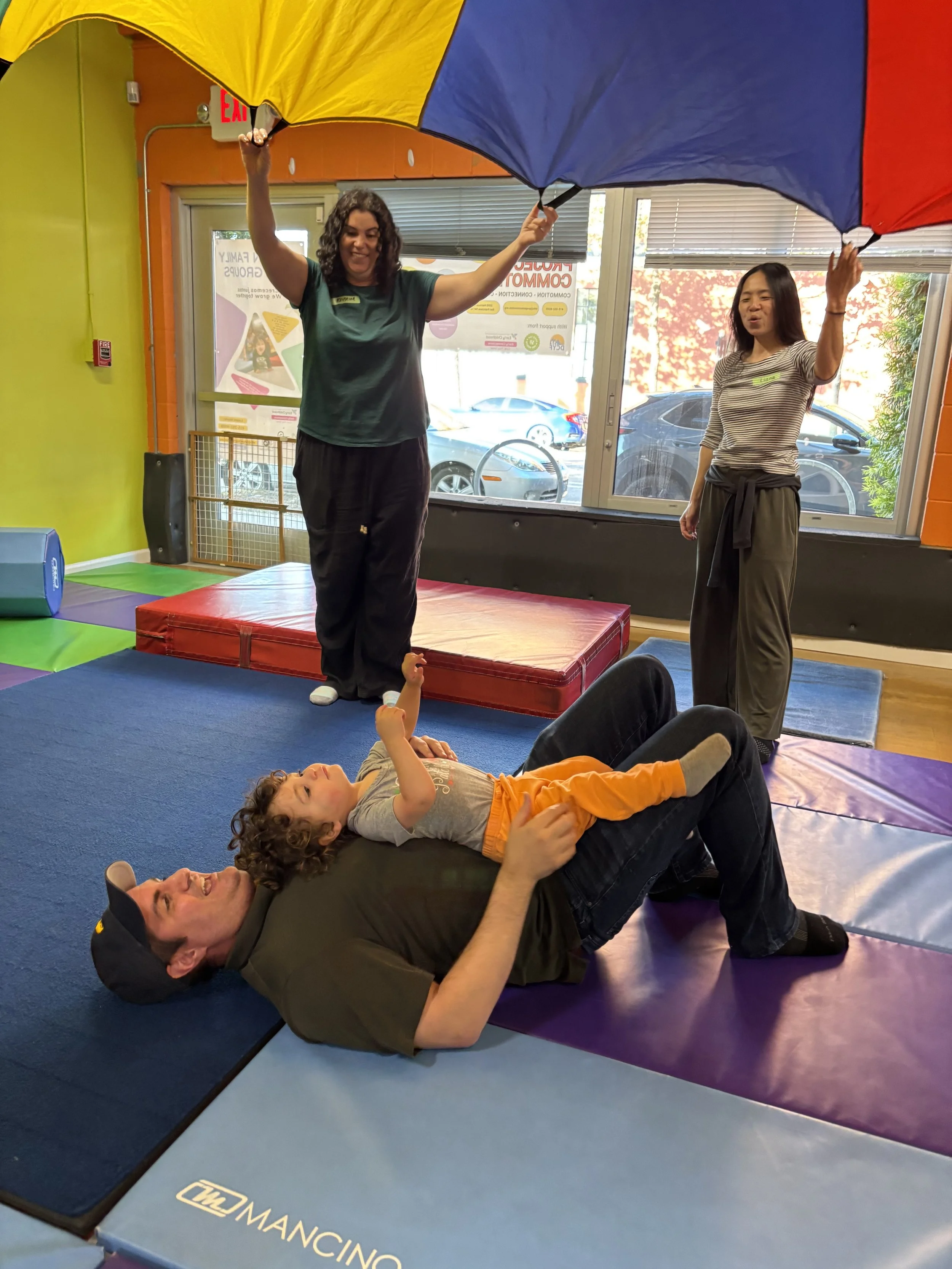
Jardín Family Playgroups brings together families with children 0-3 who are being monitored for developmental delays or disabilities. Co-created by Project Commotion and Linguistic Connection within San Francisco’s Early Connections system of care, Jardín combines purposeful movement, communication, family routines, and shared reflection. The program grows from longstanding commitments to community work and a belief that families’ cultural knowledge, relationships, and everyday experiences are essential to developmental support. This interdisciplinary collaboration between movement experts, early childhood educators, and speech language therapists models the importance of cross-disciplinary relationships to holistically support families while exploring and learning with them in community.
Our Community Context
Rooted In Community
Jardín grows in San Francisco’s Mission District, one of SF’s oldest neighborhoods and home to a rich, diverse community of Latine, immigrant, and LGBTQ+ families. The Mission has historically been the Hispanic/Latine center of the city. Despite increasing gentrification in the last two decades, the communities in the Mission District actively work towards maintaining the incredible cultural history and heritage of this part of San Francisco.
The Collaborators
Project Commotion is a community-based organization that began in San Francisco’s Mission District in 2006 when our co-founders noted the lack of accessible play and movement opportunities for children in the area. Our mission is to foster healthy development in children of all abilities through purposeful movement, play, and family and community relationships. Alongside Jardín, Project Commotion hosts an on-site play-based preschool, afterschool/weekend movement classes, and we expand across San Francisco through our school residency and adult workshop programs. We offer bilingual English/Spanish and sliding scale programming with a focus on meeting children where they are at and supporting the next steps in their development.
Established in 2008, Linguistic Connection grew from its founder’s work as a licensed bilingual speech-language pathologist since 2003 and her commitment to culturally and linguistically responsive support for underserved San Francisco families. Cindy has developed a unique relationship-based approach that honors ancestral practices, collaboration with families and educators, trauma-informed practices, co-regulation, and attention to sensory needs through practices such as mindfulness and body awareness.
Linguistic Connection offers speech-language assessments and therapy, early intervention, caregiver and educator consultation, and professional development in homes, early childhood settings, and community spaces. Through attentive listening, play, and harnessing everyday routines, the team supports children’s diverse ways of communicating, learning, and participating while uplifting the knowledge and expertise of families and interdisciplinary partners to guide shared support.
Together, Project Commotion and Linguistic Connection bring long histories of community-based work guided by relationships, play, and sensory learning. In partnership, we combine our professional expertise and create programs that pay close attention to families’ wisdom, children’s developmental needs, and the cultural ways of being together that have sustained us for generations.
Jardín’s Origins
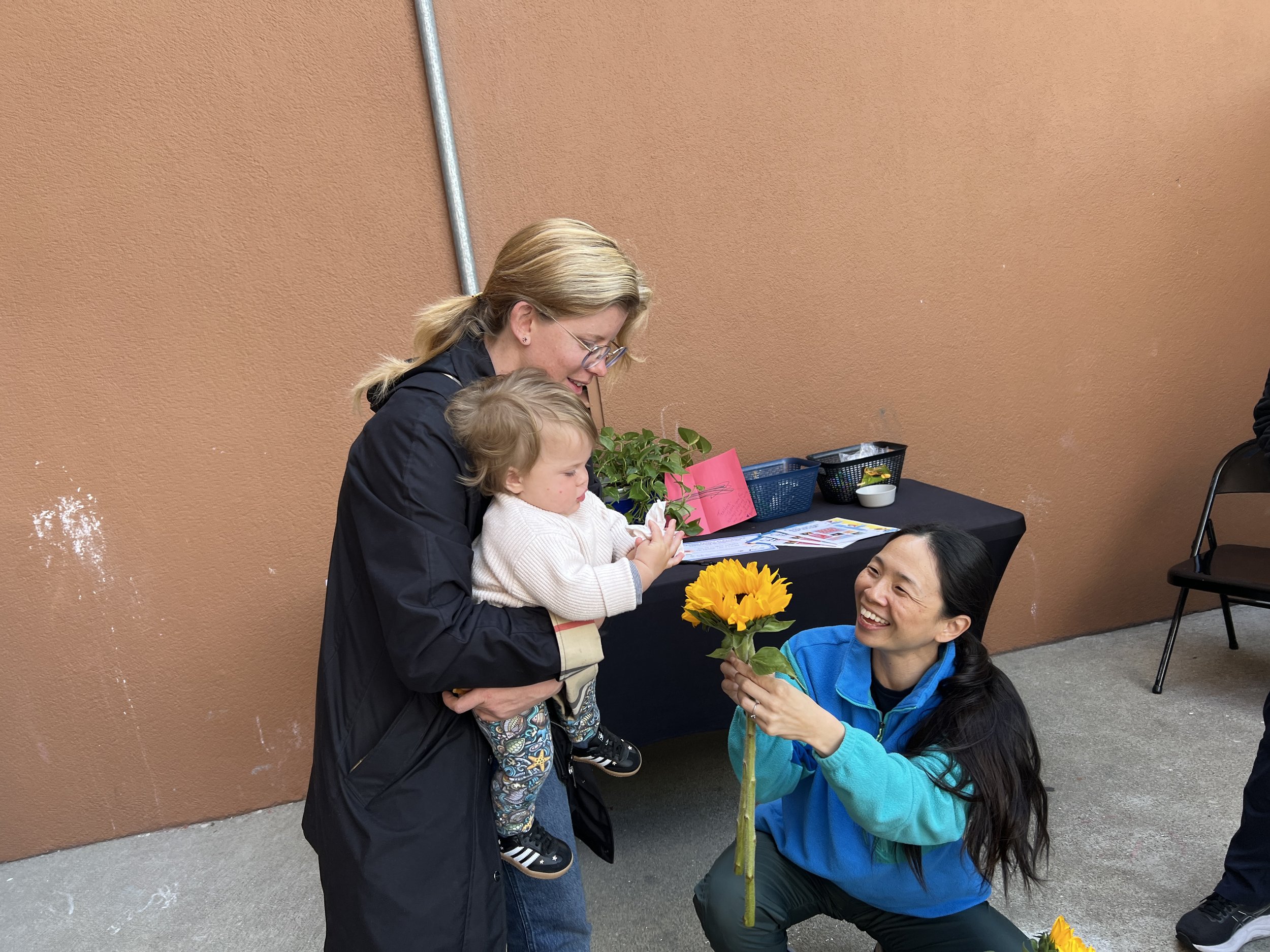
In December 2023, San Francisco’s Department of Early Childhood announced a request for grant applications for an “Early Intervention and Specialized Services System of Care”, a new initiative, including a request for Developmental Playgroups. These playgroups were asked to focus on accessibility and cultural responsiveness for children birth to 3 exhibiting mild to moderate delays, but who were not eligible for formalized early intervention.
In response to this request, Project Commotion and Linguistic Connection brought their shared values together to co-create a developmental family playgroup design. This design focused on building foundational developmental skills in communication, motor planning, and problem solving. Services would emphasize the de-stigmatization of early intervention services and specialists.
Our vision: a collaborative, family-child centered service that put into practice the learnings from our interdisciplinary collaborations over the years.
Project Commotion was awarded the grant in April of 2024 and there began the sprouting of a new Jardín for families and children in San Francisco…
Collaboration in Practice
-
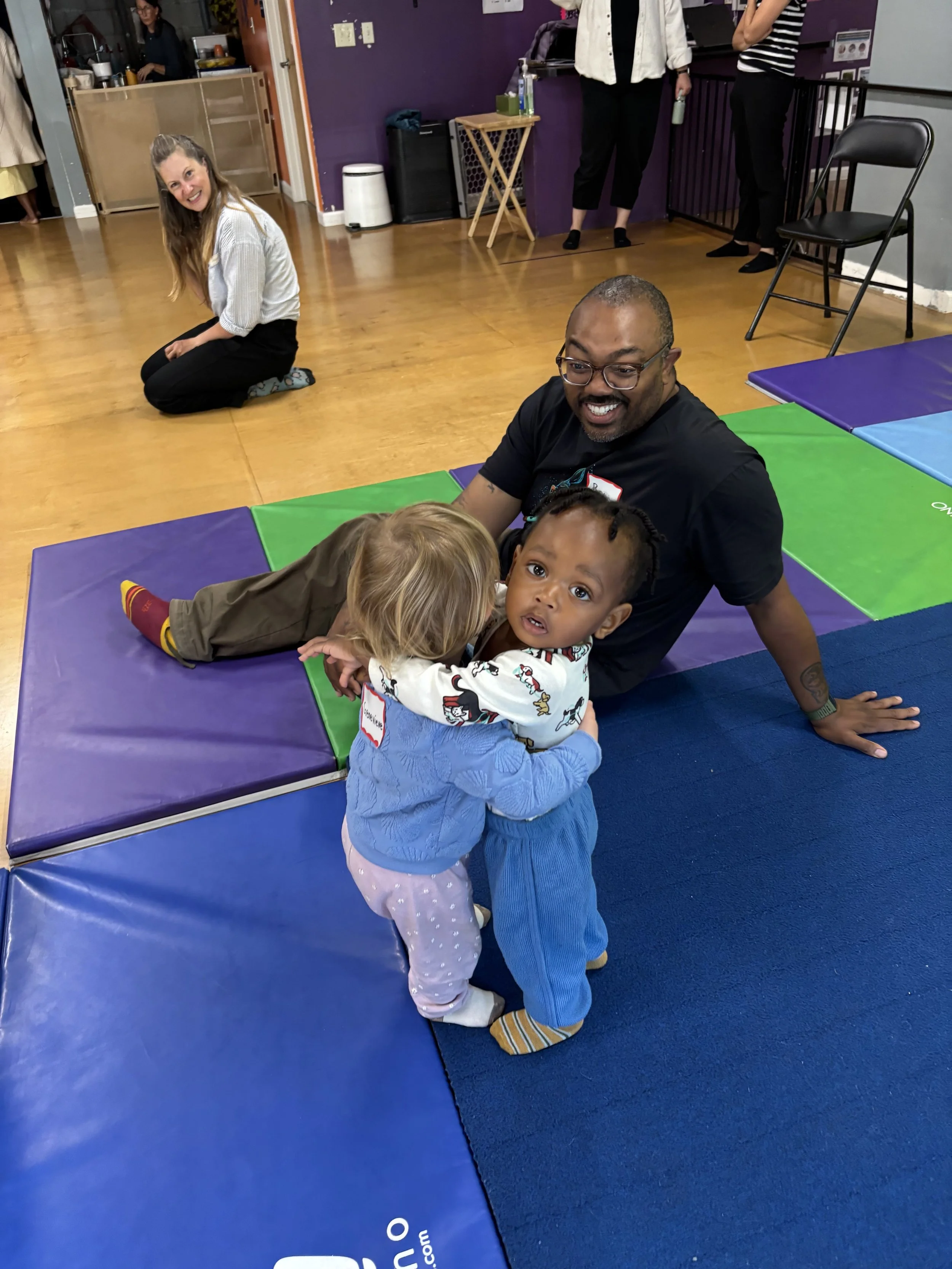
Families participate in one 90-minute playgroup each week for 10 weeks. Each group hosts 8 families and we run two groups per season (Fall/Winter/Spring). Children attend with parents, grandparents, extended family, or other trusted adults, bringing intergenerational relationships to the program.
-
Enrollment includes an interest form, intake conversation, and caregiver-completed ASQ developmental screening. The team of movement experts, early childhood educators and speech language therapists then share the family’s intake interview to understand each family’s priorities and questions. A Spanish bilingual coordinator and 2-3 facilitators, co-lead Jardín sessions. Two to four weekly team meetings for preparation, coordination, and reflection. Shared curriculum, planning, and debrief documents support continuity across cohorts.
-
Each family has access to one consultation per cohort with both a Project Commotion and a Linguistic Connection facilitator. Class photos, observations, and guiding questions invite caregivers to share what they notice at home and in playgroup. As a team, families and facilitators explore developmental questions, identify priorities, and exchange strategies and resources.
“The team was so warm and welcoming. My young child loved coming and entered the play area with such joy. I was really impressed with how the team could connect to children this age who still cannot speak.”
— Jardín Parent
Curriculum in Action
A recognizable rhythm with room for individual participation…
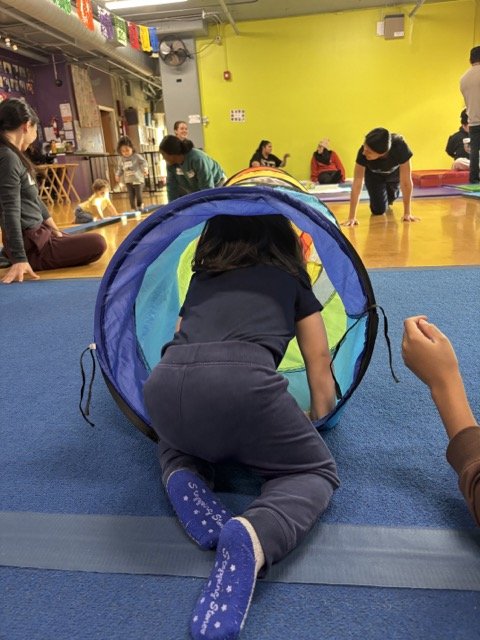
Movement and relational experiences build progressively across the 10 weeks, with an intentionally themed experience each week: Belonging, Wellbeing, Communication, Exploration, and Contribution.
Each session follows six familiar phases:
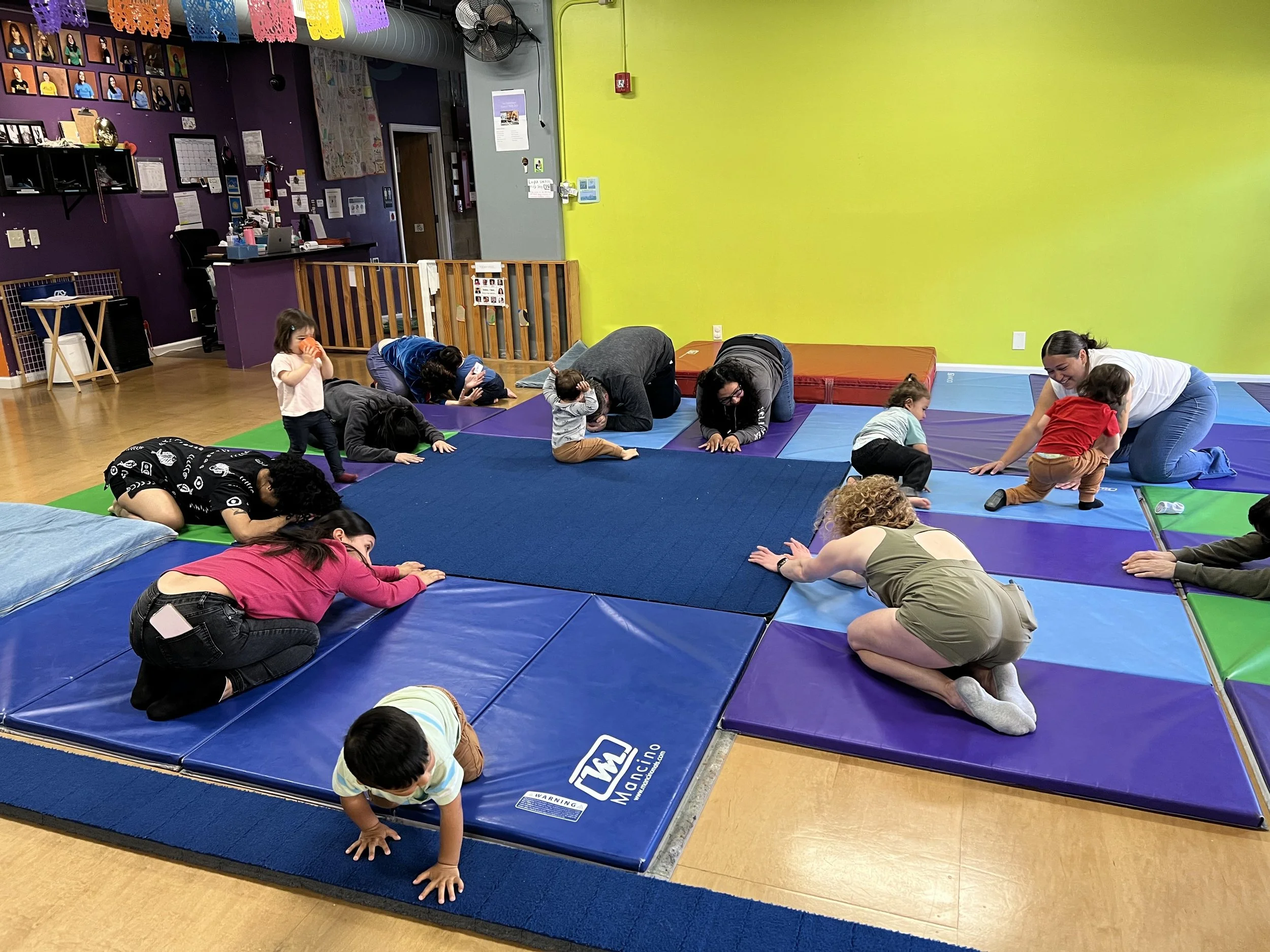
Welcome & Explore: Individual greetings and caregiver check-ins lead into exploration of the prepared movement space.
Gather & Move: Hello songs, the weekly theme, and the guided developmental movement sequence bring families together.
Play Together: Caregivers and children explore intentionally designed activities connecting developmental movement, communication, and social-emotional engagement.
Rest & Transition: Changes in light, familiar sounds, scarves, and stretching guide rest, waking, and handwashing.
Guided Group Reflection: Shared food, journals, and a theme-related question invite conversation and storytelling. Jardin team members care for each family as caregivers write in journals, speak, listen, or share a snack next to their children. Jardín facilitators lead the group discussion and welcome families’ voices.
Say “Goodbye”: A familiar song brings group closure and hand stamps for each child give the opportunity for individual check-ins before departures.
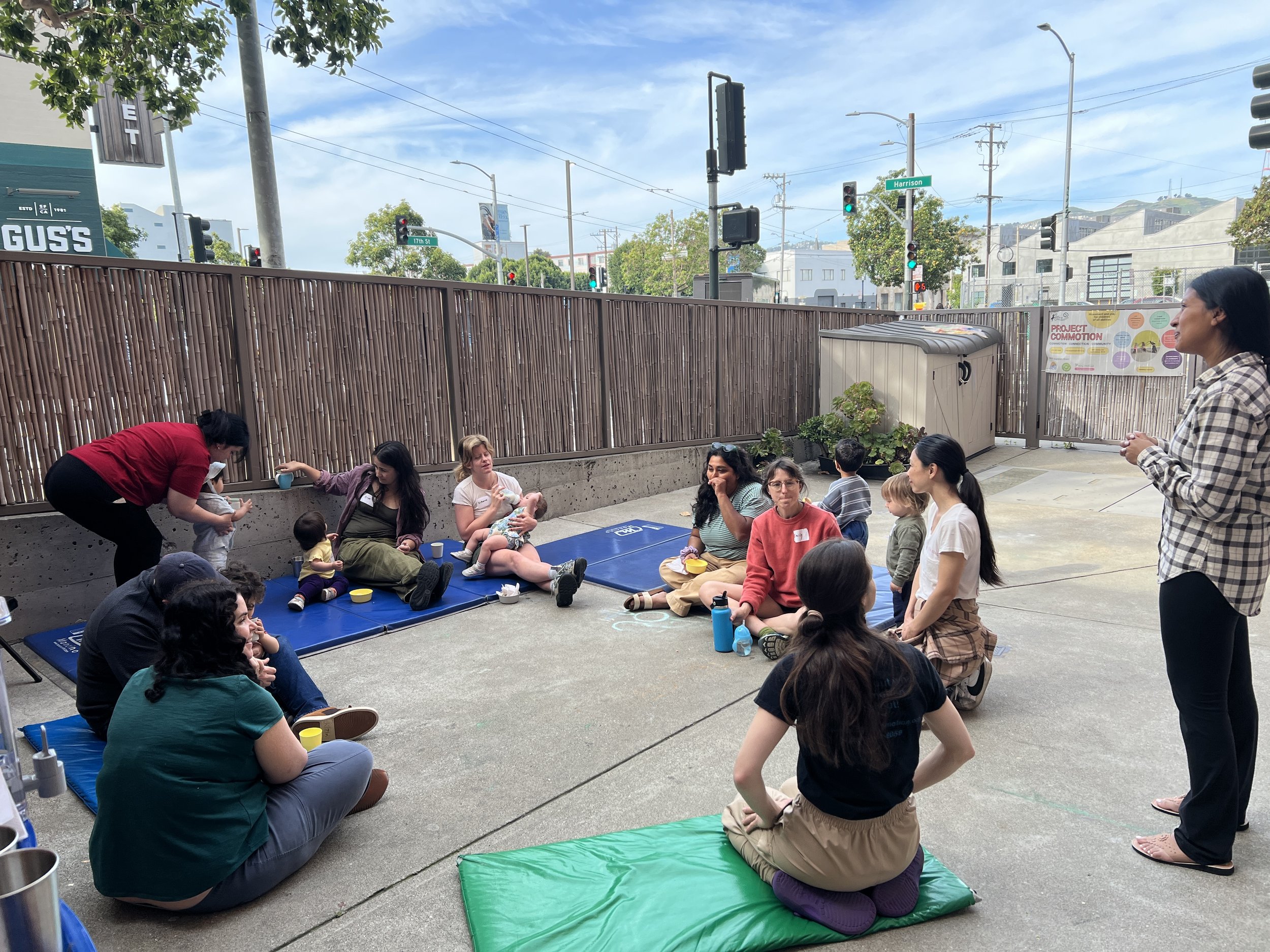
Jardín’s weekly themes are inspired by Te Whāriki’s five strands.
We acknowledge Te Whāriki’s Māori cultural foundations and the Māori elders and Aotearoa New Zealand educators, whose teaching informed our learning and inspired aspects of Jardín’s curriculum.
Please take some time to familiarize yourself with Te Whāriki’s philosophy and impact
Development through everyday experiences
Daily routines, sounds, and movement become opportunities to communicate, connect, and participate for each family. Facilitators offer practices children and caregivers can carry into everyday life.
Responsive facilitation
Facilitators pre-plan team roles and duties each week. Through this process, facilitators are able to model verbal and nonverbal communication skills, movement, social interactions, and co-regulation. This modeling supports facilitators in engaging with families and helping them notice children’s strengths and cues.
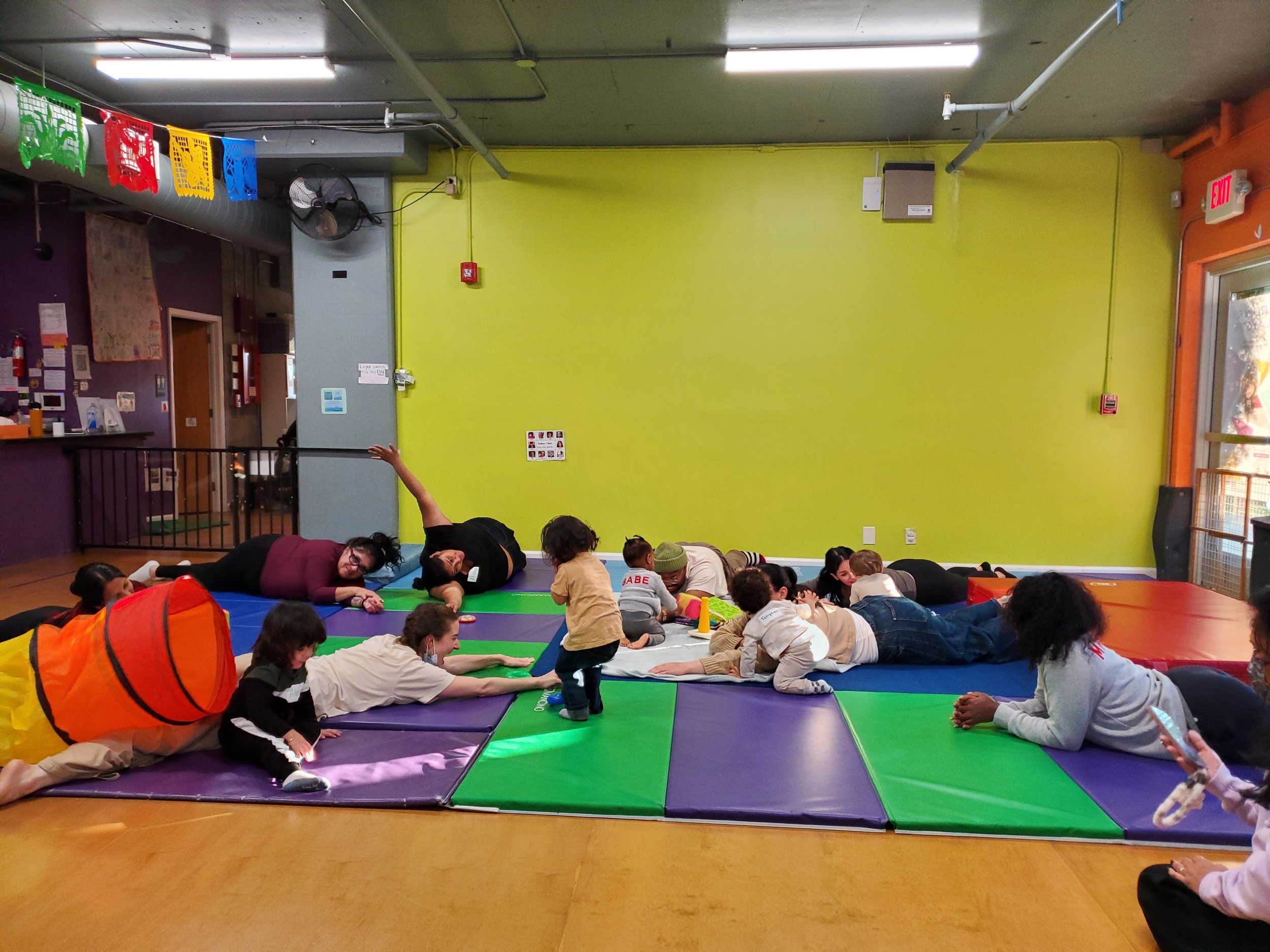
Being here is so special. I can’t overstate how beneficial it has been not only for my son, but for me. We are so grateful for what Jardín has created.
— Jardín Parent
How We Know it’s Working
-
Between September 2024 & May 2026…
100% of surveyed families felt that their child(ren) received sufficient support in the areas they were monitoring
100% of surveyed families felt a strong sense of belonging, rating their feelings, on average, a 4.9 out of 5
100% of surveyed families felt much more confident when playing with their child(ren) because of participating in Jardín - with an average rating of 4.8 out of 5.
93.75% of participants learned at least 1 new strategy; with over half of all cohorts learning 3 or more new strategies
100% of participating children made functional progress towards both motor and communication development through their participation in the program (as observed by PC’s movement experts and Linguistic Connection SLPs)
Between February 2025 & May 2026…
Our interest list is comprised of upwards of 15 families each cycle (each cohort has room for 16 families)
-
In partnership with SF’s Department of Early Childhood’s evaluation team, we know that research is limited on the effectiveness and impact of family-child developmental playgroups for this population (children being monitored for delays/disabilities) because there are very few programs elsewhere in the world using a similar model. Developmental playgroups are gaining popularity and interest, however the participation criteria and the focus on early intervention prior to formal diagnosis or medical referral seem to be less common. Our work with the evaluation shows how important, unique, and innovative this practice is. On top of this, Jardín adds the additional layer of using interdisciplinary collaboration to support families from multiple angles, perspectives, and areas of expertise.
-
What our facilitators are saying… When new families enter Jardín, they are often hesitant, worried that their “busy bee” child isn’t sitting with the collective group during circle time. Over time, we start to observe caregivers’ shoulders drop. They begin participating in movement activities themselves, their children become curious and start to imitate and engage beside (or sometimes on top of) their caregiver. This relaxation, settling, and increased confidence is possible because our facilitators offer opportunities for caregivers to have a different experience in the movement gym than they may be having outside in the school, medical, or early intervention systems. We know Jardín is working because we see caregivers opening themselves up to learning alongside their child, developing relationships with other families, and physically releasing stress and tension from their bodies.
What our families are doing… Families from one of our Spring 2026 cohorts took their Jardín out into the world! They have maintained connection and support through a self-organized monthly meet-up at Golden Gate Park. It is exceptional to see families building such strong relationships in Jardín that lead to commitments to remain in each other’s lives even after their cohort has concluded.
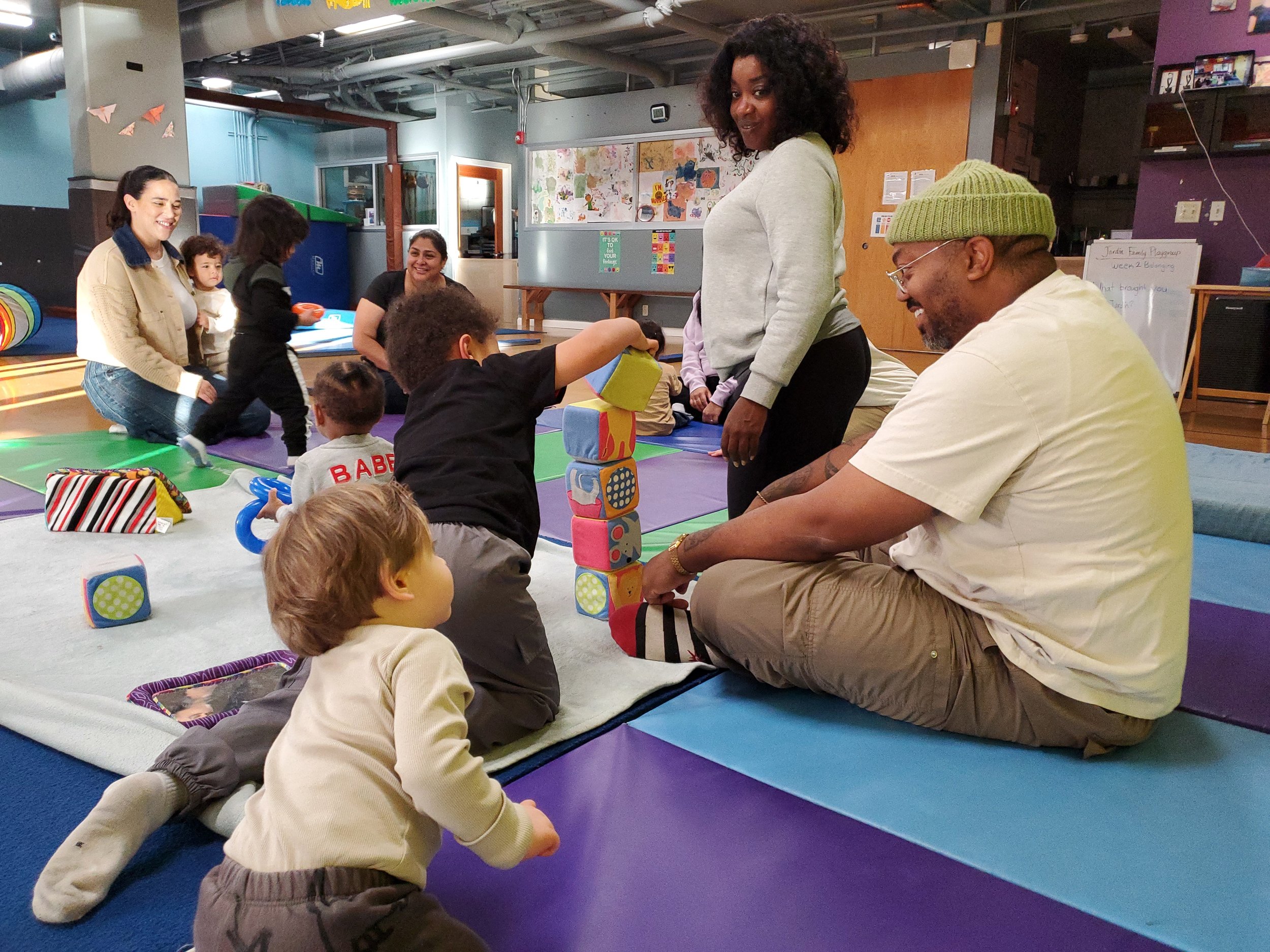
I wanna tell you how awesome this program has been for D's growth. We've seen some big changes: his fine motor skills are way better, he's grabbing stuff more carefully, and he's super social with the other kids now. Plus, he's listening to the teacher more, and that relaxation routine has even helped him chill out at home. We're really happy with all this!
— Jardín Parent
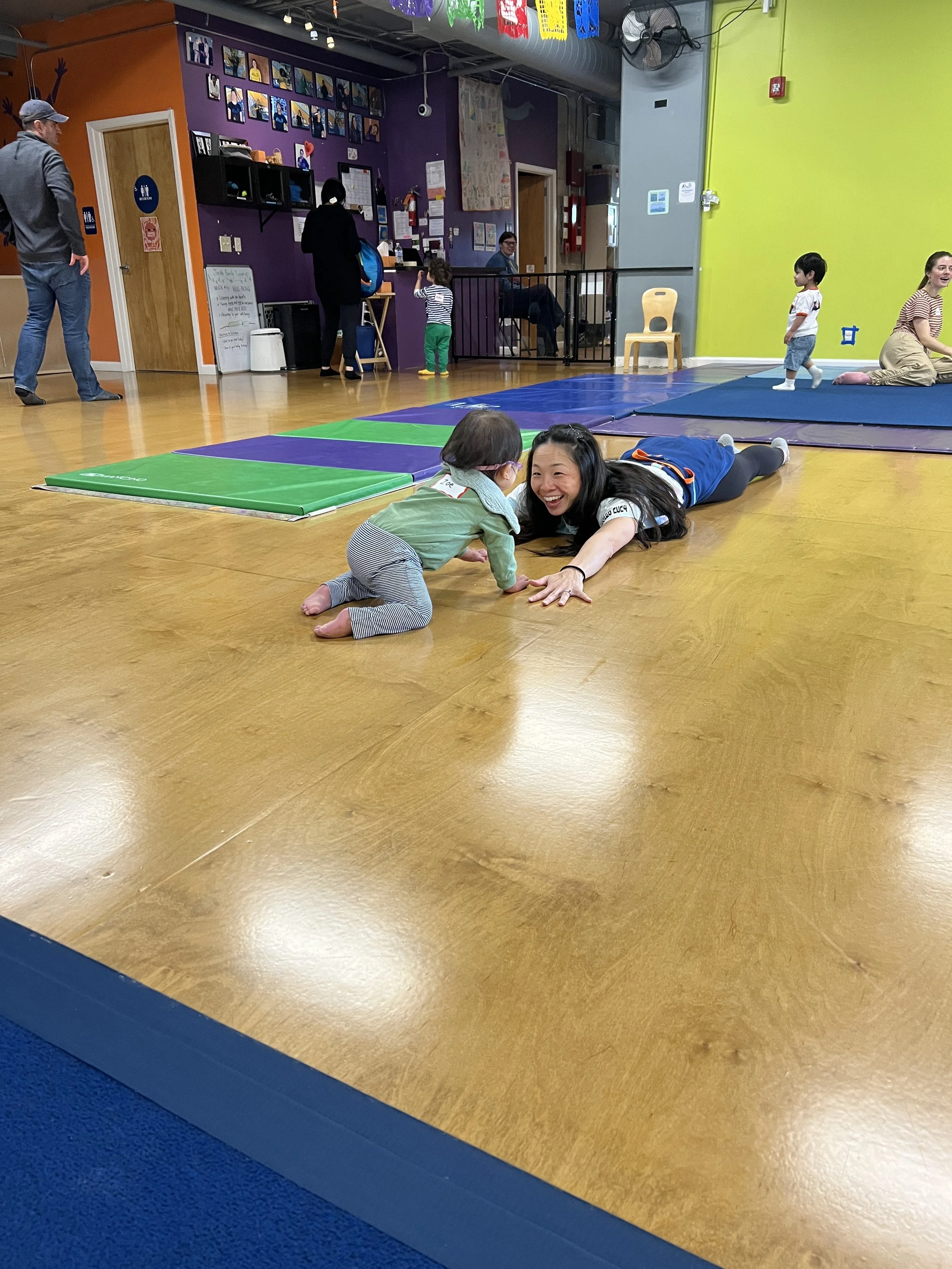
I really enjoyed the very accepting environment that was created. Not only by the instructors but also by all the families. Thank you! We really appreciated all the support and friendly space. It's great to show O that new spaces are also safe spaces.
— Jardín Parent
Lessons
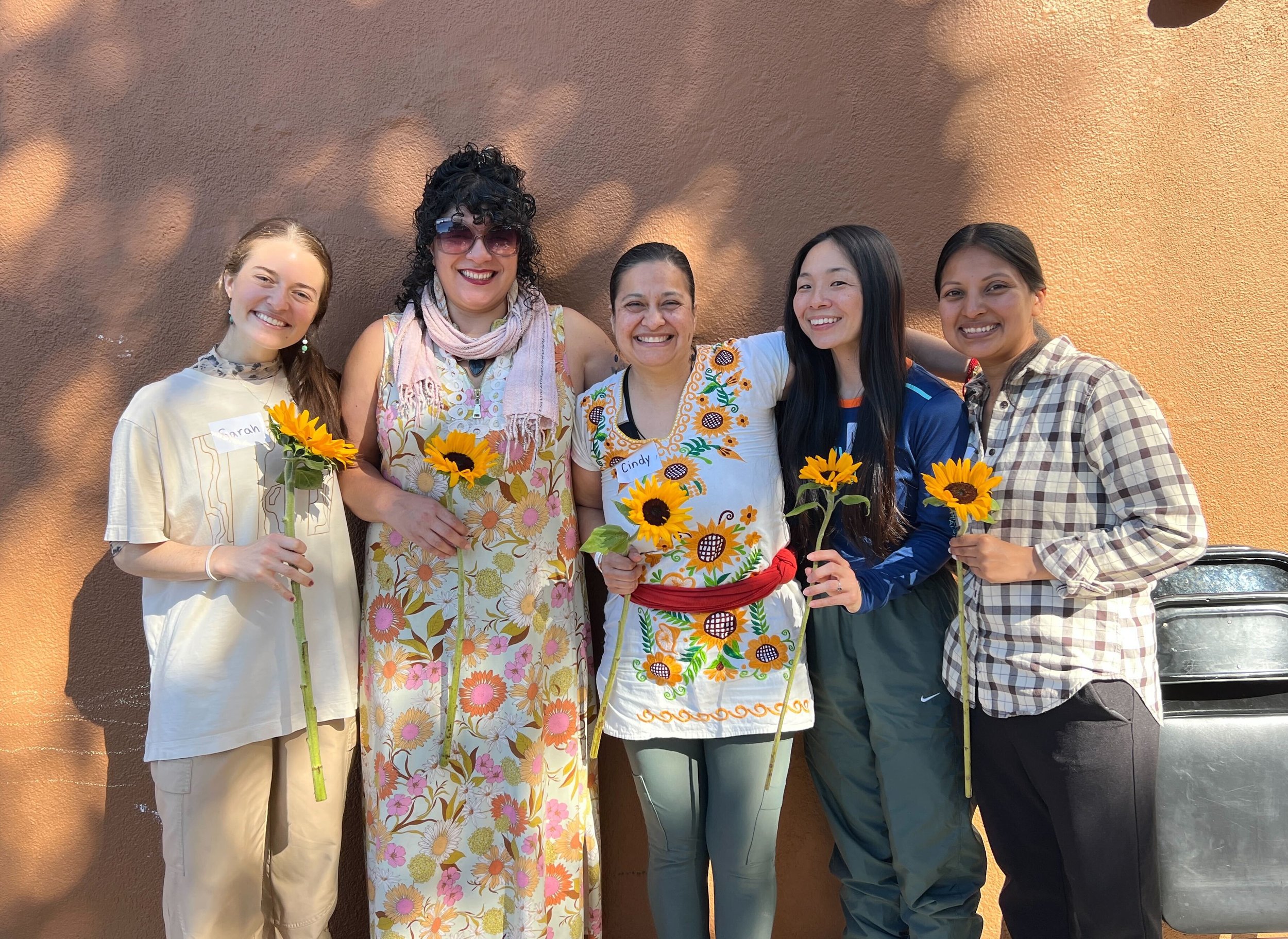
The 2025-26 Jardín Facilitator team. From Left to Right:
Sarah Bauer, Lucia Lainez, Cindy López-Chastain, Liana Huie, Mayra Flores
Our life has been very unpredictable for the past year and this group every week has really lifted my spirits and helped me show up better for my son and family in general.
— Jardín Parent
Interdisciplinary practice requires sustained attention and commitment. Frequent planning, consultation, and reflection help the facilitation team develop shared understandings of our work and offer coordinated support to families.
Family feedback can and should change program design. Caregivers’ experiences of Jardín inform our schedule, curriculum, and guide program adaptations. To serve families well, we must design programs that emerge from their leadership.
Cultural knowledge shapes and carries the program. Understanding family practices, ways of storytelling, and the community relationships that are present allow us to mold the program to align with those in front of us. Understanding our individual and collective facilitation philosophies ensure that we relate to one another deeply and scaffold relationships for families.
Therapeutic support doesn’t only happen in a therapy office. Jardín uses a “therapeutic lens” to support families. We do not offer therapy. We offer a safe and accepting community. Learning and growing in a welcoming community is oftentimes the best therapy families can receive.
Small details maintain the intention of our program. From individual greetings to tailored soundtracks and personalized communication, the small details create repeated opportunities for connection in a way that feels familiar and allows families to set expectations, release anxiety, and build confidence.
Consistency and flexibility are two sides of the same coin. A recognizable session rhythm allows facilitators to respond to different needs, interests, and modes of participation. Our consistent collaboration leads to flexibility that means we can meet the needs of the one and the needs of the many.
Recommendations & Reflections
Build an aligned foundation. Before launching, identify partners’ shared values, community commitments, and complementary expertise. Translate these into clear roles & responsibilities across leadership, administration, and facilitation.
Maintain quarterly program review cycles.
Plan for collaboration. Agree on team communication channels and ways to raise concerns, make decisions, and coordinate.
Center family priorities.
Connect cultural understanding with practice.